Vintage Embroidery Book Journal Kit Review for Real Projects
As an embroidery designer who regularly evaluates machine embroidery designs for both personal and commercial use, I always look for a balance between aesthetic charm and practical functionality. The Vintage Embroidery Book Journal Kit caught my eye with its nostalgic appeal and intricate detailing. Let’s take a closer look at how it performs in real-life embroidery scenarios and whether it's worth adding to your design arsenal.
First Impressions: A Nostalgic Touch of Elegance
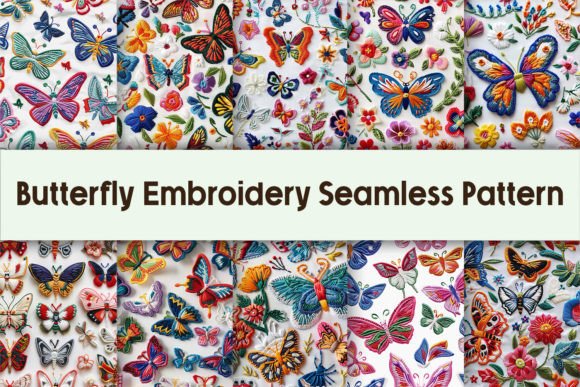
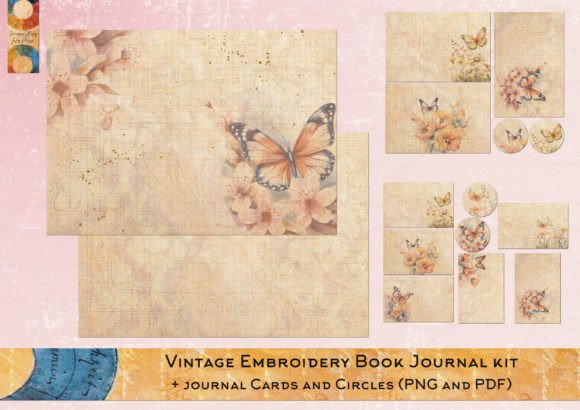
The moment I opened the digital package for the Vintage Embroidery Book Journal Kit, I was drawn in by the soft pastel tones and the delicate arrangement of spring flowers and butterflies. It has that timeless, handcrafted feel often found in vintage French patterns—gentle curves, flowing lines, and floral motifs that seem to dance across the page. The overall mood is whimsical yet refined, making it ideal for projects that aim to evoke warmth, femininity, or a touch of history.
Visually, the layout feels like it belongs on something handmade—like the pages of a journal, a linen tea towel, or even the lining of a custom tote bag. While it's not overly bold, it carries enough character to stand out without overwhelming the fabric or garment. As someone who works closely with clients and product mockups, I can already see this design fitting well into artisanal home goods or boutique-style apparel.
Design Layout and Detail Level
The pattern features six signature pages, each with a unique blend of fill stitch and satin stitch elements. There are also additional sets of pages included, which gives more flexibility for layering or repeating motifs. The level of detail is impressive—delicate stems, layered petals, and fine butterfly wings all contribute to a sense of depth and movement.
However, as with many detailed embroidery files, especially those inspired by vintage art, there are areas where stitching density may require careful handling. The floral centers and wing details are richly stitched, so they could pose challenges on thinner or stretchier fabrics if not properly stabilized.
Real-World Application Scenarios
I tested the Vintage Embroidery Book Journal Kit on a few common project types to get a better sense of its usability. Here’s what I observed:
- Custom Apparel: This design would be lovely on sweatshirts or long-sleeve t-shirts, particularly when placed along the back yoke or down the front center. The soft colors work well with light-toned fabrics and give a subtle pop of elegance without being too flashy.
- Tote Bags: When applied to a linen or cotton canvas tote, the kit adds a charming, personalized touch. The size of the individual signatures makes them easy to repeat or scale for larger surfaces, perfect for creating a vintage-inspired market bag.
- Baby Items: The gentle aesthetic fits well with baby clothes and nursery decor. However, due to the intricate nature of the design, I recommend using a slightly heavier-weight fabric to ensure durability and clarity after multiple washes.
- Patches and Aprons: These are some of the best uses for the kit. The individual pages make excellent embroidered patches for denim jackets or aprons used in craft fairs or Etsy shops. They add a decorative flair that feels intentional and high-quality.
- Home Decor: On pillow covers and tea towels, the design brings a fresh, artistic edge. Its placement near the seam or corner of a textile item looks natural and enhances the overall handmade presentation.
- Gifts and Merchandise: For holiday gifts, wedding favors, or small shop products, the Vintage Embroidery Book Journal Kit elevates the visual appeal of items like bookmarks, leather journals, or even wooden tags. It speaks to customers who appreciate vintage aesthetics and thoughtful craftsmanship.
Where Caution Is Advised
While this design is undeniably beautiful, there are certain situations where extra care should be taken:
- Small Hoop Sizes: If you're working within tight space constraints, such as on a cap or tiny patch, some of the smaller elements (like the butterflies) might become lost or distorted. Confirm hoop size before finalizing placement.
- Textured or Stretchy Fabrics: The fine details won’t translate well on materials like jersey knit or flannel unless you adjust stitch density and use proper stabilizer.
- Dark Fabric Backgrounds: The muted thread colors may not contrast enough against darker textiles. Consider testing it on a white or cream base first, or using black-and-white mockups to visualize visibility.
- Products That Require Frequent Washing: Dense stitch areas, especially in the floral centers, could cause puckering over time. Recommend using a fabric with good stability and reinforcing the back with tear-away or cut-away stabilizer.
- Curved Surfaces: The file includes corners and edges that are designed for flat applications. Use caution when applying it to curved surfaces like caps or sleeves—adjustments may be needed for optimal results.
Visual Appeal and Customer Reception
One of the standout qualities of the Vintage Embroidery Book Journal Kit is its ability to enhance the perceived value of a finished product. In today’s craft market, where handmade and personalized items are highly sought after, this design adds a layer of sophistication that appeals to both hobbyists and professionals alike.
When displayed on a tote or apron, it evokes a sense of nostalgia and authenticity. Customers tend to respond positively to embroidery that feels curated and meaningful rather than mass-produced. That said, it’s important to match the design with the right audience. This isn’t a high-contrast, bold statement piece—it’s more suited for those who prefer understated beauty and historical inspiration.
Impact on Branding and Sales
If you’re an Etsy seller or run a small shop focused on artisanal goods, this design can help reinforce brand consistency. Its vintage style aligns well with themes like “handmade,” “timeless,” and “personalized.” It’s also versatile enough to appear in various forms—whether as part of a printable mockup or directly stitched onto a product preview.
For commercial embroidery purposes, always double-check licensing terms before selling finished items or digital assets. While the kit offers great creative potential, legal considerations must be addressed to avoid complications later.
Designer Notes: Practical Tips for Best Results
Here are a few tips I’ve picked up while working with the Vintage Embroidery Book Journal Kit to help you achieve the best outcome:
- Test on Scrap Fabric First: Always run a test stitch to evaluate how the design behaves on your chosen material. Especially with detailed files like this one, seeing the actual result before production is key.
- Check Thread Color Contrast: The soft palette is a strength, but on certain backgrounds, it may not stand out. Consider adjusting thread colors for better visibility or using metallic accents for added interest.
- Review Stitch Density: The dense areas may need slight thinning to prevent puckering. Many modern embroidery machines allow you to adjust stitch settings per section, so take advantage of that feature.
- Inspect Small Details: Because of the ornate nature of the design, it’s crucial to check for any tiny lettering or intricate elements that might lose definition when scaled down or stitched on less-than-ideal fabric.
- Use Proper Stabilizer: For most applications, a medium-weight cut-away or tear-away stabilizer will do the trick. But if you’re stitching on a stretchy or sheer material, opt for a stronger backing to maintain shape and clarity.
- Compare Light and Dark Backgrounds: The design reads differently depending on the fabric color. Create a quick swatch to see how it looks on both ends of the spectrum.
Final Thoughts from the Workbench
The Vintage Embroidery Book Journal Kit is a beautifully crafted machine embroidery design that brings a touch of old-world charm to modern handmade and commercial projects. Whether you're looking to embellish a tote, personalize a sweatshirt, or create a line of boutique-style aprons, this kit offers a lot of creative potential.
Its true strength lies in how it enhances the visual personality of a product. From custom apparel to holiday gifts, it can elevate your offerings and connect with customers who appreciate thoughtful, hand-stitched details. Just remember to tailor the application based on fabric type, intended use, and customer expectations.
In short, this is a solid addition to your design assets if you're aiming to create handmade products that resonate emotionally and visually. Treat it with care, plan ahead, and let its vintage spirit shine through your next project.